Inbound Led Outbound
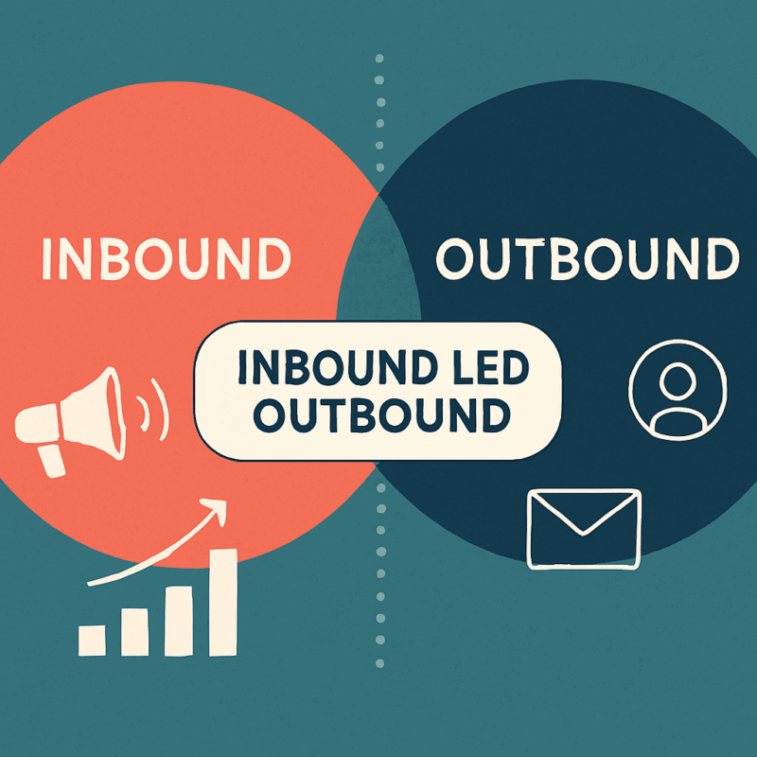
In today’s competitive business landscape, the traditional dichotomy between inbound and outbound sales strategies is becoming increasingly obsolete. Forward-thinking sales organizations are now embracing Inbound Led Outbound strategies—a sophisticated hybrid approach that combines the best of both worlds to create a more sustainable and predictable sales pipeline. This methodology leverages the awareness and interest generated through inbound marketing to fuel more targeted and effective outbound initiatives.
Companies implementing this integrated approach are seeing remarkable results: 37% higher conversion rates, 24% shorter sales cycles, and 42% improved sales and marketing alignment. For organizations struggling with feast-or-famine pipeline generation, this strategy offers a path to sustainable growth without the resource drain of purely outbound methods.
Step 1: The Evolution of Sales Pipeline Building
Traditional Outbound: The Cold Approach
Traditional outbound sales has long relied on high-volume, low-context prospecting. Sales representatives would reach out to potential customers with limited knowledge of their needs or interests, resulting in low conversion rates and high resource expenditure. While this approach can generate immediate results, it often proves unsustainable due to:
- High rejection rates leading to team burnout
- Increasing customer resistance to cold outreach
- Rising customer acquisition costs
- Difficulty in accurately forecasting results
Traditional Inbound: The Passive Approach
On the other hand, purely inbound strategies depend on creating valuable content that attracts potential customers to the business. This approach builds trust and credibility but comes with its own challenges:
- Lengthy time-to-revenue cycles
- Unpredictable lead volume and quality
- Difficulty scaling quickly to meet growth targets
- Challenges in controlling which prospects enter the pipeline
The Emergence of Inbound Led Outbound
The limitations of both approaches have led to the development of Inbound Led Outbound methodology. This hybrid strategy uses data and insights from inbound interactions to inform and enhance outbound efforts. A GTM Engineer plays a crucial role in designing this integrated system, ensuring that sales teams can leverage customer signals to prioritize and personalize their outreach efforts.
Section 2: Key Components of an Effective Inbound Led Outbound Pipeline
Content Marketing Foundations
Successful Inbound Led Outbound strategies begin with robust content marketing that:
- Addresses specific pain points at each stage of the buyer’s journey
- Creates digital breadcrumbs that reveal prospect intent
- Establishes thought leadership to build credibility before direct outreach
- Provides sales teams with valuable resources to share during outbound activities
Qualification Frameworks
The bridge between inbound signals and outbound action is a sophisticated qualification framework that:
- Scores leads based on engagement behaviors
- Identifies buying intent triggers that warrant personalized outreach
- Establishes clear handoff points between marketing and sales
- Creates feedback loops to continuously refine targeting criteria
Technology Stack Requirements
Implementing this integrated approach requires specific tools and technologies:
- CRM with advanced lead scoring capabilities
- Marketing automation platform with behavioral tracking
- Sales engagement software for personalized outreach sequences
- Analytics tools to measure cross-channel performance
- Intent data providers to identify active buyers
Team Structure Recommendations
For optimal execution, organizations should consider a team structure that includes:
- GTM Engineers who design and optimize the sales pipeline systems
- Content strategists aligned with sales objectives
- Sales development representatives trained in both inbound and outbound methods
- Revenue operations specialists to ensure seamless data flow between teams
- Analytics experts to track performance and identify optimization opportunities
Section 3: Implementing Inbound Led Outbound at Your Organization
Step-by-Step Implementation Process
- Audit Current Resources: Evaluate existing content, technology, and team capabilities
- Develop Intent Signals Framework: Define which behaviors indicate buying interest
- Create Trigger-Based Workflows: Design processes for when outbound outreach should occur
- Train Sales Team: Educate representatives on leveraging inbound data for personalized outreach
- Implement Measurement Systems: Establish dashboards that track the integrated approach
- Launch Pilot Program: Test with a subset of prospects before full rollout
- Optimize Based on Results: Refine processes based on initial performance data
Timeline Expectations
Organizations should anticipate:
- 1-2 months for strategy development and team alignment
- 2-3 months for initial implementation and training
- 3-6 months to see meaningful results and optimization opportunities
Common Pitfalls to Avoid
- Siloed Operations: Failing to create true integration between marketing and sales teams
- Overautomation: Losing the personal touch in pursuit of efficiency
- Insufficient Content: Not having enough valuable resources to support outbound efforts
- Poor Data Hygiene: Making decisions based on incomplete or inaccurate information
- Patience Deficit: Abandoning the approach before allowing time for results
Section 4: Measuring Success with Inbound Led Outbound
Key Performance Indicators
To effectively measure the success of your Inbound Led Outbound strategy, track these metrics:
- Engagement-to-Opportunity Ratio: How effectively inbound engagement converts to sales opportunities
- Outreach Response Rates: Comparing cold outreach vs. inbound-informed outreach
- Pipeline Velocity: Speed of movement through sales stages
- Conversion Rate by Lead Source: Performance differences between various entry points
- Content Influence: Which content assets are most effectively supporting sales conversations
Attribution Models
Traditional first-touch or last-touch attribution models fail to capture the complexity of Inbound Led Outbound approaches. Consider:
- Multi-touch attribution that considers both inbound engagement and outbound activities
- Weighted models that reflect the actual influence of different touchpoints
- Time-decay approaches that acknowledge the full customer journey
Industry Benchmarks
While results vary by industry, companies implementing Inbound Led Outbound strategies typically see:
- SaaS: 15-20% improvement in conversion rates, 30% reduction in sales cycles
- Professional Services: 25-35% increase in qualified opportunities, 40% higher deal values
- Manufacturing: 20-30% reduction in customer acquisition costs, 25% higher win rates
- Financial Services: 30-40% improvement in lead quality, 35% increase in cross-selling
Conclusion
Building a sustainable sales pipeline is no longer a matter of choosing between inbound or outbound strategies—it’s about intelligently combining both approaches. The Inbound Led Outbound methodology creates a more efficient, effective, and predictable revenue generation system that respects the modern buyer’s journey while proactively engaging prospects at the right moment.
Take the time to assess your current pipeline building approach against the framework outlined in this article. Are you leveraging inbound signals to enhance outbound efforts? Is your content strategy aligned with sales objectives? Have you invested in the right technology and team structure to execute this integrated approach?
For organizations seeking expert guidance in implementing these strategies, partnering with a specialized lead generation agency with experience in designing hybrid approaches can accelerate results. The right partner will help you navigate the complexities of building an Inbound Led Outbound system tailored to your specific business goals and market dynamics.
Stay tuned for our upcoming article on “Maximizing ROI with Strategic CRM Enrichments,” where we’ll explore how to enhance your customer data to further improve targeting and personalization in your outreach efforts.